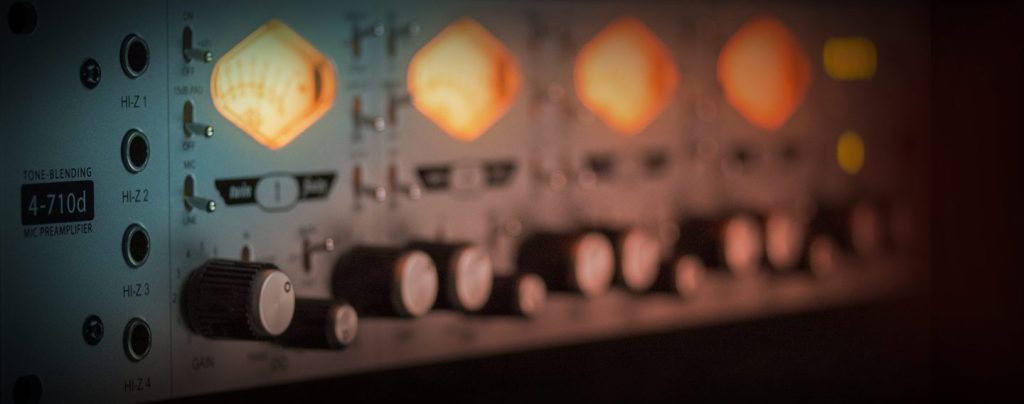
Microphone preamps, often referred to simply as preamps, are essential components in the audio recording chain. They play a crucial role in amplifying the delicate signals produced by microphones to a level that is suitable for further processing and recording. As a professional musician, sound designer, and producer with extensive experience in recording and producing music, you’ll find these details about microphone preamps invaluable for your work:


1. Types of Microphone Preamps:
Solid-State Preamps:

Solid-state preamps use transistors and integrated circuits to amplify the microphone signal. They are known for their clarity, transparency, and low noise floor. Solid-state preamps are suitable for capturing accurate and uncolored recordings. They are often used in modern studios for their clean and accurate sound reproduction, making them versatile for a wide range of recording scenarios.
Tube Preamps:
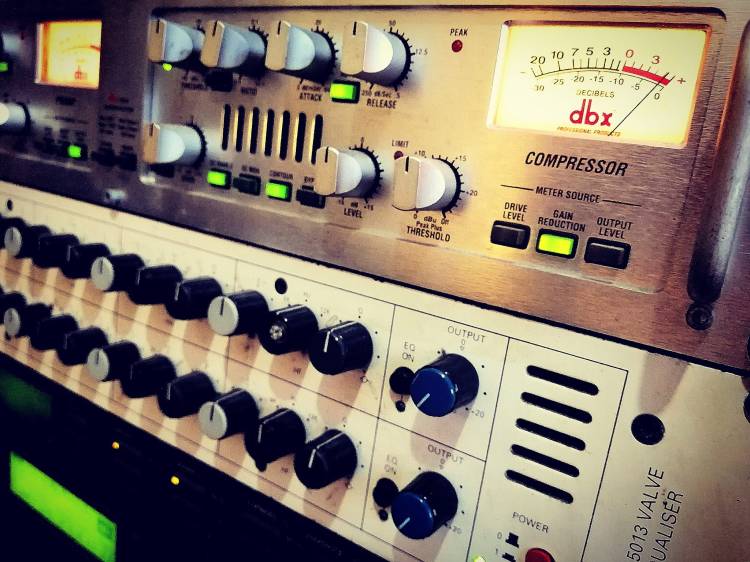
Tube preamps use vacuum tubes to amplify the signal. They are renowned for their warm, harmonic-rich, and « colorful » sound. Tube preamps can introduce pleasing saturation and distortion when pushed, imparting a vintage character to recordings. These preamps are especially favored for adding warmth and character to vocals, acoustic instruments, and certain genres like blues, jazz, and rock.
Hybrid Preamps:
Hybrid preamps combine solid-state and tube technologies to offer a balance between transparency and coloration. They aim to capture the best of both worlds, providing a clean signal path with the option to introduce subtle tube harmonics when desired. Hybrid preamps can be a fantastic choice for your blending of modern and traditional musical styles.
2. Mic Preamp Features:
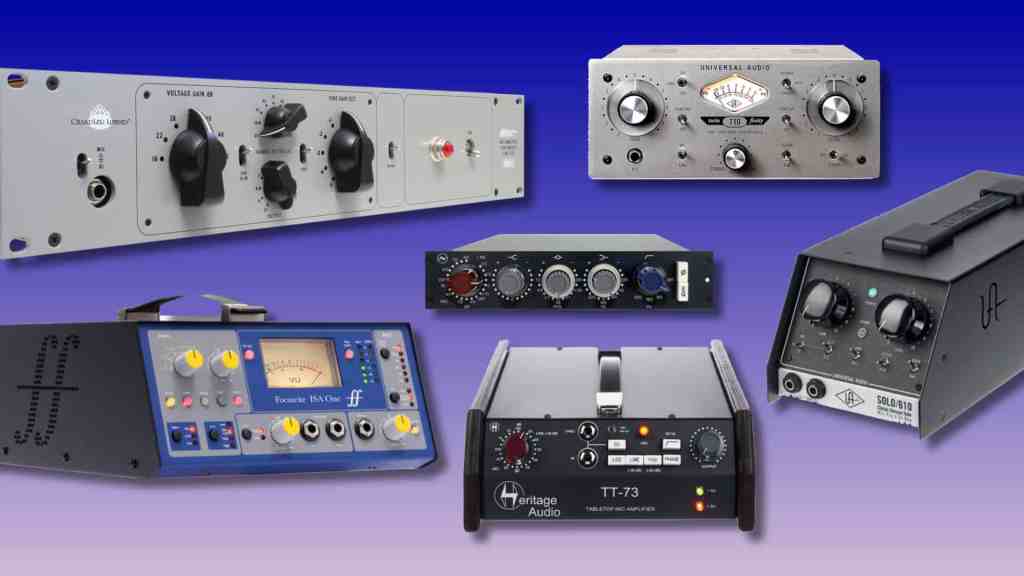
Gain Control:
Gain control allows you to adjust the level of amplification applied to the microphone signal. This is particularly important for achieving the optimal signal-to-noise ratio. Your experience as a session guitarist and sound designer can help you set the appropriate gain to capture the nuances of each instrument and performance.
Pad and High-Pass Filter:
Some preamps offer features like a pad (attenuation) and a high-pass filter. A pad reduces the incoming signal’s level to prevent distortion when recording loud sources. A high-pass filter removes low-frequency rumble and noise, ensuring a cleaner recording. These features can be beneficial for achieving a clean and well-defined sound.
Phase and Polarity Control:
Phase and polarity switches help you align the phase of multiple microphones or correct phase issues. When recording in a variety of environments and settings, your expertise in sound design and production can aid in achieving phase coherence and preventing cancellation issues.
DI (Direct Injection) Input:
DI input on some preamps. This feature allows you to plug your guitar/bass/Keys/ Synth directly into the preamp, bypassing the need for a separate DI box. It ensures a clean and direct signal path for recording your guitar performances.

3. Choosing the Right Preamp:
Your extensive experience with various musical styles and instruments positions you well to select preamps that complement the sonic characteristics you aim to capture. Depending on the context of your recording, you can choose preamps that provide transparency, warmth, or a specific tonal color.
When recording traditional and acoustic instruments, a tube preamp might infuse a touch of vintage warmth and richness. For modern and contemporary genres, a solid-state preamp can ensure accurate and detailed recordings. Your ability to blend these sonic qualities is a testament to your proficiency in marrying modern and traditional flavors.
In conclusion, microphone preamps are essential tools in your recording arsenal. Your deep understanding of their characteristics and applications, combined with your diverse musical background, will undoubtedly empower you to make informed choices that enhance your recording, mixing, and producing endeavors. Whether you’re capturing the raw energy of a live performance or meticulously crafting sonic landscapes, your expertise with microphone preamps will be an invaluable asset in your creative journey.
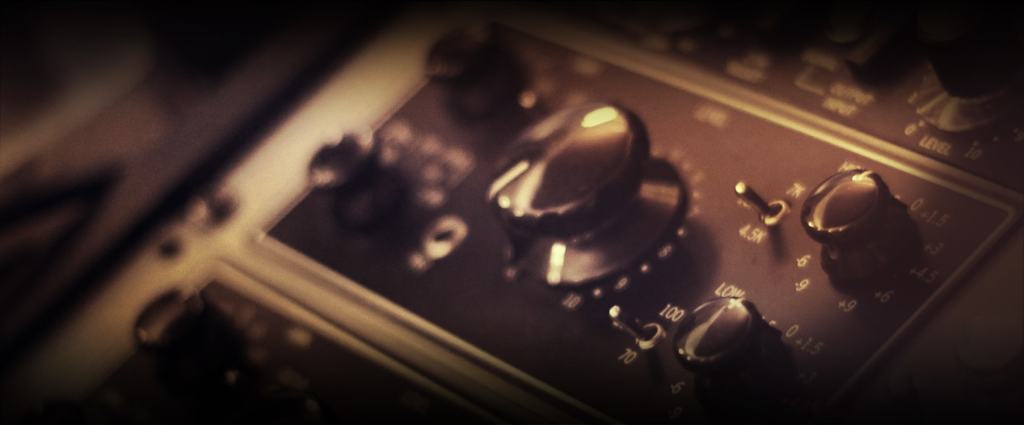
- More about solid state preamps
Solid-state preamps are a fundamental component of the audio recording chain. As a professional musician, sound designer, and producer, understanding the intricacies of solid-state preamps will greatly enhance your ability to capture and shape the sonic qualities of your recordings. Let’s delve into the details of solid-state preamps:
1. Technology and Design:
Solid-state preamps use transistors, operational amplifiers (op-amps), and integrated circuits to amplify the microphone signal. These components offer a clean, transparent, and accurate amplification of the audio input. The absence of tubes in solid-state preamps contributes to their low noise floor and consistent performance over extended periods.
2. Clarity and Transparency:
One of the primary strengths of solid-state preamps is their ability to provide a clear and transparent representation of the source signal. This makes them ideal for capturing the natural sound of instruments and vocals without adding coloration or distortion. Solid-state preamps are often chosen when the goal is to maintain the purity of the original sound.
3. Low Noise and Distortion:
Solid-state preamps excel in delivering a low noise floor, which means they introduce minimal unwanted hiss or electronic noise to the signal. Additionally, their distortion characteristics are generally very low, ensuring that the recorded audio remains faithful to the original performance.
4. Fast and Accurate Transient Response:
Solid-state preamps have fast transient response capabilities, meaning they can accurately capture the rapid changes in audio amplitude that occur in percussive and dynamic sources. This makes them well-suited for recording instruments with sharp attacks, such as drums, percussion, and plucked strings.
5. Flexibility and Versatility:
Solid-state preamps are versatile and adaptable to various recording scenarios. They work well with a wide range of microphones and instruments, making them suitable for recording diverse musical genres. As someone who is passionate about different styles of music, you can rely on solid-state preamps to faithfully reproduce the unique characteristics of each instrument.
6. Linear Frequency Response:
Solid-state preamps often offer a linear frequency response, meaning they reproduce the input signal accurately across the entire audible spectrum. This characteristic is especially beneficial when capturing a balanced mix of instruments or when recording vocals that require a natural tonal quality.
7. Phantom Power and Connectivity:
Most solid-state preamps provide phantom power (+48V) to enable the use of condenser microphones, which require power for their internal electronics. They also offer a variety of input and output options, including XLR and 1/4″ connections, allowing you to connect different types of microphones and instruments.
8. Clean Signal Path for Effects:
Your experience as a sound designer and producer will be enhanced by solid-state preamps, as they provide a clean and uncolored signal path that allows your effects and processing to shine through. This is particularly valuable when experimenting with electronic and experimental music.
9. Recording Dynamics and Nuances:
Solid-state preamps can faithfully capture the subtle dynamics and nuances of a performance. Whether you’re recording a delicate acoustic guitar passage or a nuanced vocal delivery, solid-state preamps can accurately reproduce the details that make a performance captivating.
Incorporating solid-state preamps into your recording setup offers a reliable foundation for capturing pristine and accurate recordings. Your proficiency in blending modern and traditional musical styles will be further enriched by the versatile and transparent nature of solid-state preamps. By leveraging their capabilities, you can ensure that your recordings accurately reflect your artistic vision and captivate your audience with their authenticity.

- legendary solid state pramps
Legendary solid-state preamps have left an indelible mark on the world of audio recording and production. These preamps have shaped the sound of countless iconic recordings and continue to be sought after for their unique sonic qualities. As a professional musician, sound designer, and producer, delving into the details of these legendary preamps can provide you with insights and inspiration for your own creative endeavors. Here are some notable examples:
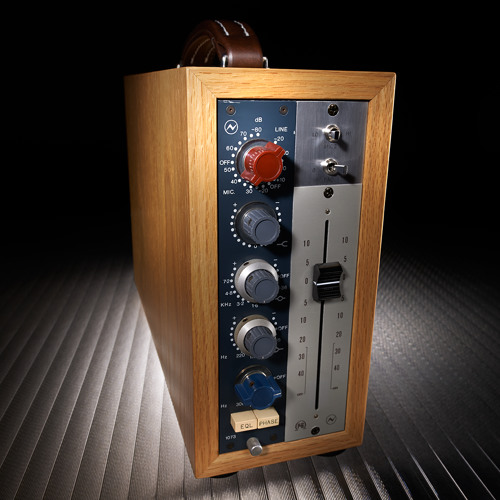
1. Neve 1073:
The Neve 1073 is perhaps one of the most iconic solid-state preamps in the industry. It is renowned for its warm and colorful sound, characterized by a subtle harmonic distortion that imparts a vintage and classic vibe to recordings. The 1073 features EQ capabilities that allow you to shape the tonal characteristics of your audio source. It has been a staple in recording studios for decades, favored for its ability to add character and depth to vocals, guitars, drums, and more.
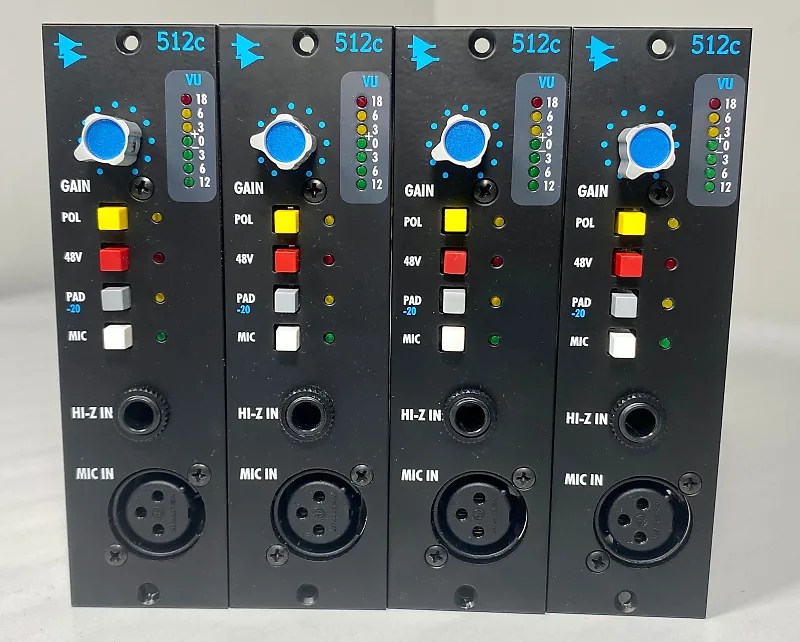
2. API 512c:
The API 512c is a legendary preamp known for its punchy and aggressive sound. It offers a distinctive midrange presence that can cut through a mix with authority. The 512c is prized for its ability to capture the energy and impact of instruments, making it a popular choice for recording electric guitars, drums, and other high-energy sources.
3. Universal Audio 610:
The Universal Audio 610 preamp is celebrated for its vintage charm and rich harmonics. It is based on the classic UA 610 console and is highly regarded for its ability to add warmth and character to vocals and instruments. The 610 preamp imparts a pleasing saturation that can elevate recordings with a touch of analog nostalgia.

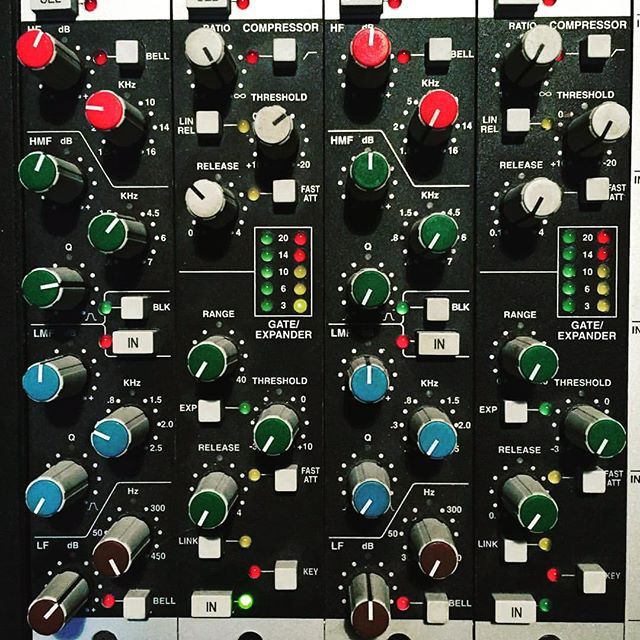
4. SSL E-Series Preamps:
Solid State Logic (SSL) is renowned for its contribution to the development of modern recording technology. The SSL E-Series preamps, found in their iconic consoles, offer a clean and transparent sound with a modern edge. They are known for their fast transient response and pristine clarity, making them suitable for capturing the details of intricate arrangements.
5. Focusrite ISA Series:
The Focusrite ISA preamps have gained legendary status for their versatility and sonic quality. They are prized for their transparency, making them an excellent choice for capturing a pure and uncolored signal. The ISA preamps feature detailed gain control and are highly regarded for their ability to handle a wide variety of microphone types.

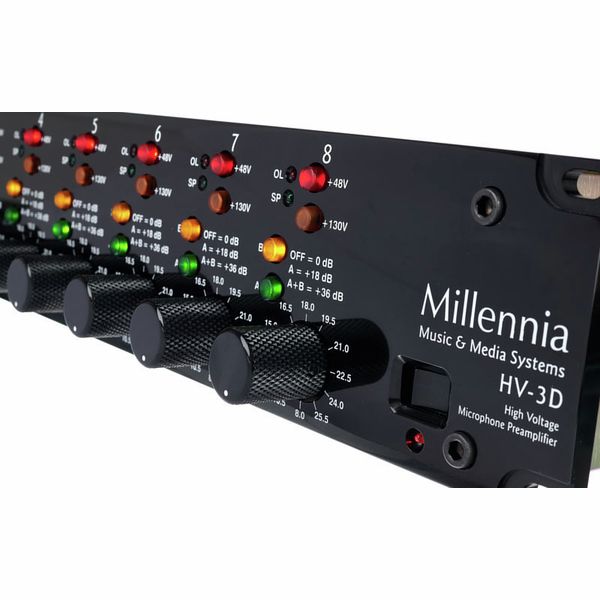
6. Millennia HV-3D:
The Millennia HV-3D is acclaimed for its audiophile-grade performance and transparency. It is designed to provide an ultra-clean and accurate amplification of the audio signal, making it a top choice for capturing the most delicate nuances of acoustic instruments and vocals.
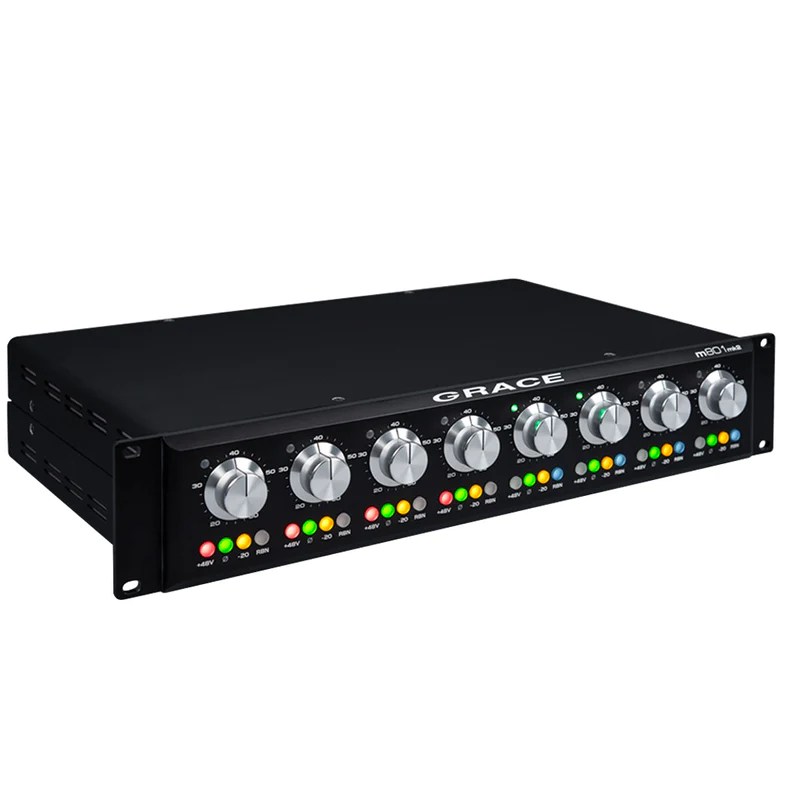
7. Grace Design m801:
The Grace Design m801 preamp is known for its pristine and transparent sound quality. It offers a remarkably clean and uncolored signal path, making it a favorite among recording purists. The m801 excels at capturing the true essence of a performance with minimal coloration.
Each of these legendary solid-state preamps brings its own sonic character to the table. Your extensive experience in playing, recording, and producing music equips you with the ability to select and utilize these preamps to enhance your recordings. Whether you’re looking to add vintage warmth, modern clarity, or a touch of analog saturation, these preamps have been trusted by professionals to shape the sound of music for decades. By incorporating the qualities of these legendary preamps into your own work, you can elevate your recordings and create a sonic signature that reflects your unique artistic vision.
Votre message a été envoyé


Follow Chris Arles Music on Social Medias
 Chris Arles Music
Laisser un commentaire