
- Setting the fondations …
Mixing is a crucial step in the music production process that involves combining individual audio tracks to create a balanced and cohesive final sound.
Let’s dive into some key aspects of mixing and explore different techniques you might find useful in your musical journey.
- Setting the Foundation: Balancing Your Tracks

Balancing is the initial step where you ensure each instrument and element in your mix is at an appropriate volume level. This creates a solid foundation for the rest of the mixing process. As someone with extensive experience in playing and recording various instruments, you have a natural advantage in understanding their sonic characteristics and how they interact in a mix.
When balancing tracks, consider the role of each instrument within the arrangement. For example, if you’re blending African percussion instruments with modern electronic elements, ensure that both types of sounds complement each other without overwhelming the mix. Your background in working with acoustic and traditional instruments can help you make informed decisions on how to blend modern and traditional flavors seamlessly.
- Sculpting the Sonic Landscape: Equalization (EQ) and Panning
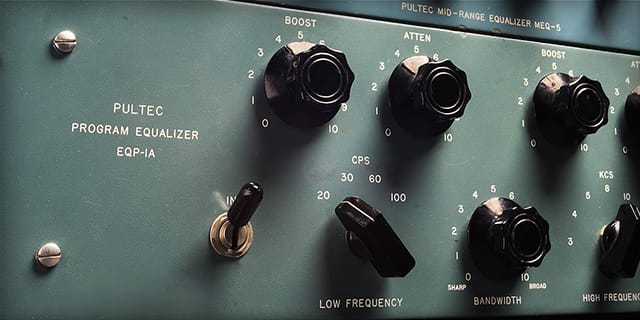
Your knowledge as a sound designer comes into play during the EQ and panning stages. EQ helps you shape the frequency spectrum of each track to ensure they occupy distinct sonic spaces. For instance, if you’re mixing a blues track with a prominent lead guitar and soulful vocals, you might use EQ to enhance the warmth and presence of the vocals while allowing the guitar to shine in its own frequency range.
Panning involves placing different elements within the stereo field to create a sense of depth and width. With your experience as a session guitarist and a versatile musician, you can strategically pan instruments to enhance the spatial dimensions of your mix. This can be especially exciting when fusing world music elements with modern genres, as you can position traditional instruments in a way that complements the contemporary sounds.
- Crafting Depth and Ambiance: Reverb and Delay
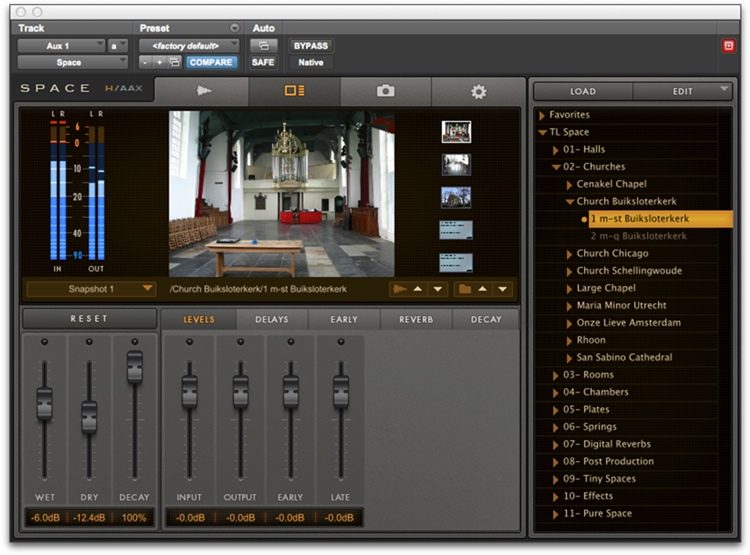
Adding reverb and delay can bring depth and ambiance to your mix. As a composer who has worked on opening ceremonies and documentaries, you understand the importance of creating an immersive sonic environment. You can leverage reverb to simulate various acoustic spaces, from the intimacy of a small jazz club to the grandeur of a world music festival. Additionally, well-placed delays can add a sense of movement and space to your mix, enhancing the overall listening experience.
- Dynamic Control: Compression and Automation
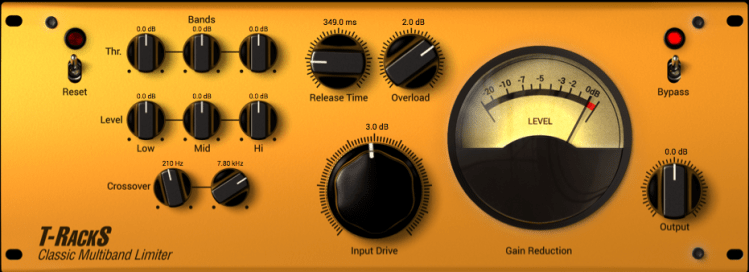
Your experience as a producer gives you a strong foundation for utilizing compression and automation effectively. Compression helps control the dynamic range of individual tracks, ensuring that certain elements don’t overpower others. This can be particularly beneficial when blending dynamic genres like funk and electronica. Automation allows you to fine-tune the levels, effects, and parameters over time, helping your mix evolve and maintain the listener’s interest.
- Polishing the Final Mix: Mastering and Quality Control
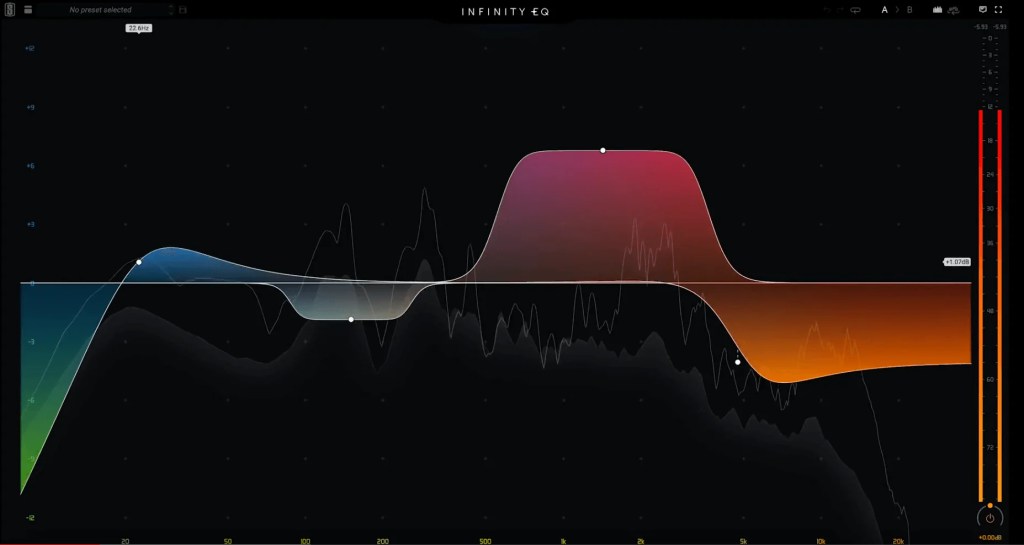
Mastering is the final step before your music is ready for distribution. While you may not be directly responsible for mastering, your knowledge as a session guitarist and composer allows you to provide feedback and input to the mastering engineer. You can ensure that the unique blend of styles and instruments you’ve incorporated remains intact and translates well across various playback systems.


 Chris Arles Music
Laisser un commentaire