

Mixing rock drums is both an art and a science
Requiring a delicate balance between power and finesse. The drums are the backbone of any rock track, providing the driving force and energy that captivates listeners. To achieve a killer rock drum mix, consider the following tips:
- Start with Proper Tracking: A great drum mix begins at the recording stage. Make sure the drums are well-tuned, the drummer has a consistent playing technique, and each drum is properly isolated. A well-recorded source material sets the foundation for a successful mix.
- Phase Alignment: Phase issues can muddy up your drum sound. Ensure that all drum mics are properly phase-aligned to avoid cancellation and achieve a punchy, focused sound. Use phase-flipping and alignment tools if necessary.
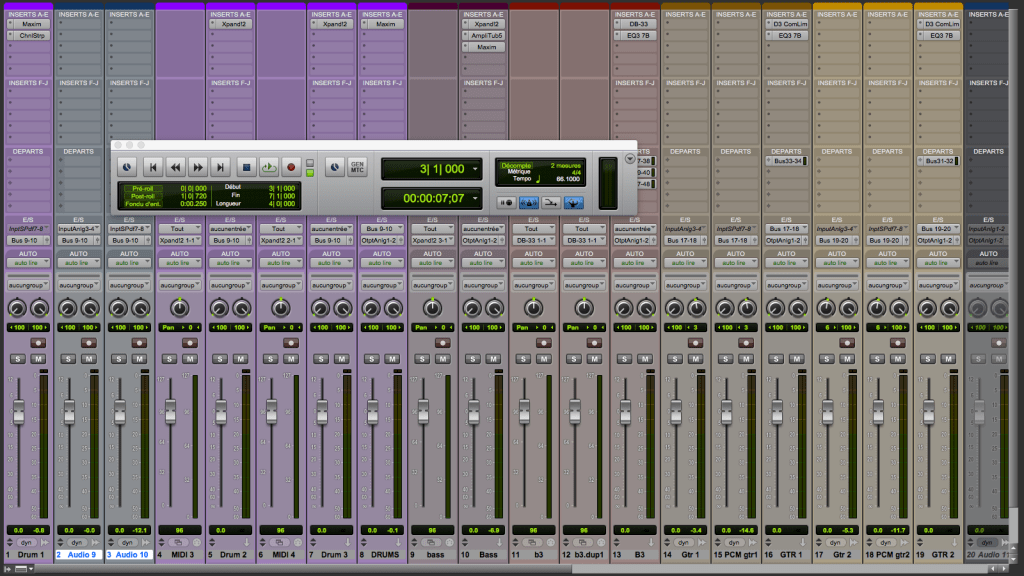
- Balance the Kit: Start by setting the levels for each individual drum in the kit. Pay attention to the balance between the kick, snare, toms, and cymbals. Adjust fader levels before applying any processing.
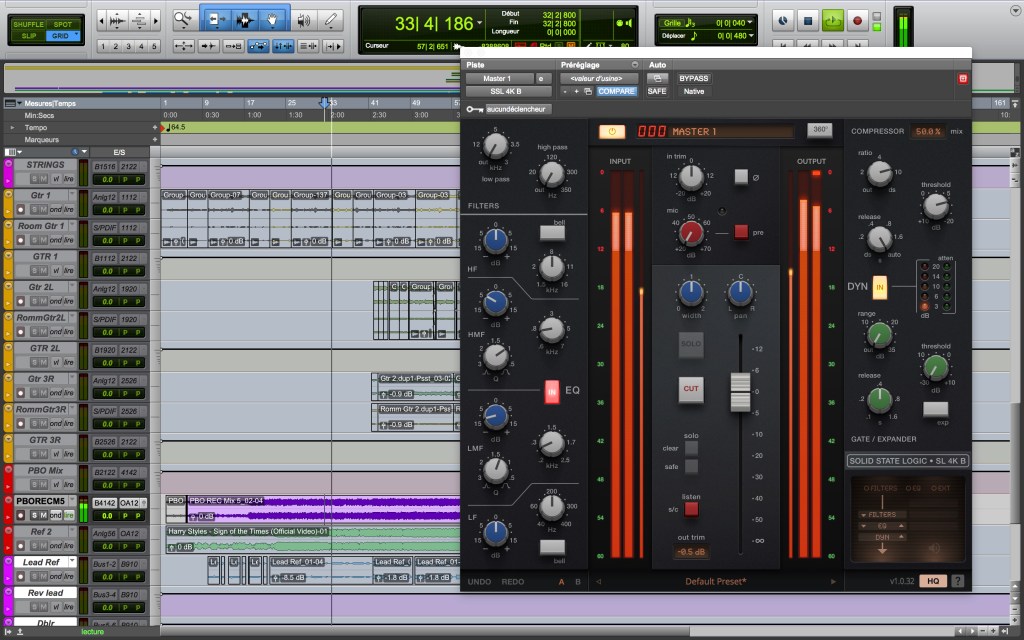
- EQ for Clarity and Punch: Use EQ to sculpt the individual drum tones. Boost the kick drum’s low end for thump, cut boxiness from the toms, and add snap to the snare with a high-shelf boost. Tame harsh frequencies in cymbals for a smoother sound.
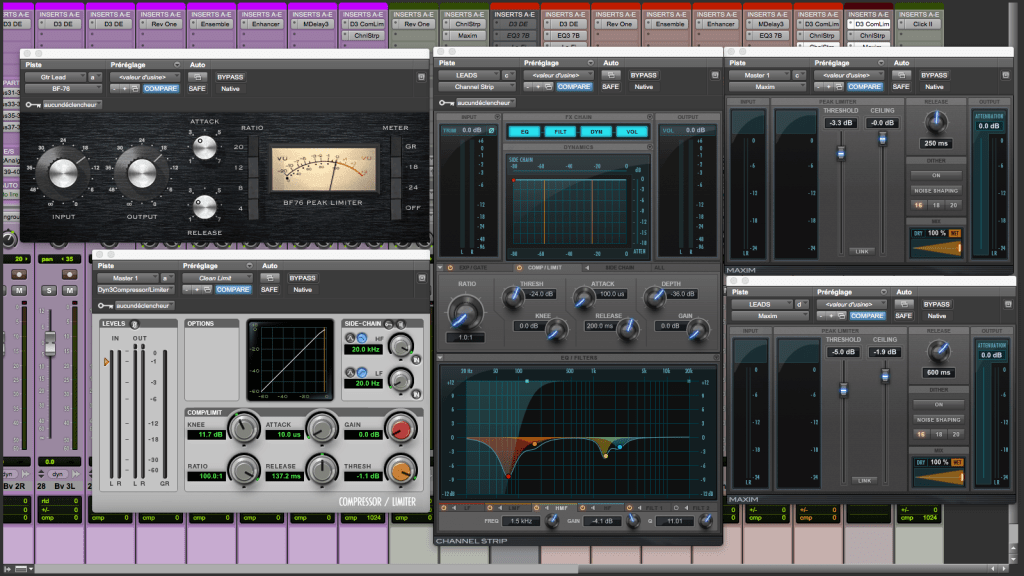
- Parallel Compression: Rock drums often benefit from aggressive parallel compression. Create a parallel drum bus, apply heavy compression with a fast attack/release, and blend it with the dry signal to add weight and sustain without sacrificing transient detail.
- Snare and Kick Enhancement: The kick and snare are focal points. Use transient shapers to emphasize the attack of the kick and bring out the crack of the snare. Layering samples can also be effective for adding depth and character.
- Tasteful Reverb and Ambience: Applying reverb and ambience can give your drums a sense of space. Experiment with short, plate-like reverbs on snare and longer, more spacious reverbs on toms and overheads to create depth without overwhelming the mix.
- Drum Bus Processing: Process the entire drum bus to glue the kit together. Light compression, saturation, and EQ can enhance cohesion while maintaining individual drum character. Be cautious not to over-process, as it can lead to a sterile sound.
- Buss Compression: Add a gentle amount of bus compression to the entire drum mix to control dynamics and create a more polished sound. This can help solidify the drum sound within the context of the entire mix.
- Automation: Automate fader levels and panning to bring out important drum moments, such as fills and crashes. This adds an organic, human touch to the mix and keeps the energy dynamic.
- Reference Tracks: Listen to well-mixed rock tracks to understand the sonic standards and get inspiration. Analyze how other engineers have balanced drums in similar genres and adapt those techniques to your mix.
- A/B Testing: Regularly switch between your mix and reference tracks to ensure you’re on the right track. A/B testing can help you make critical decisions and fine-tune your drum mix.
Remember, every mix is unique, and these tips provide a solid starting point. Trust your ears and be willing to experiment to find the best sound that complements the overall vibe of the rock track.



Follow Chris Arles Music on social networks :


 Chris Arles Music
Laisser un commentaire